An Exclusive with Jef Cablog

“Nature has always been a dominant aspect of my paintings—my greatest source of inspiration,” reveals 45-year-old Cordillera artist Mr Jef Cablog.
Jef’s earliest memories take us to the breathtaking, misty mountainous domain of Barig, a cluster of settlements nestled in the bosom of the rugged terrain of the Cordillera mountain ranges in the Philippines. It is a picturesque region of deep river valleys, hand-carved steep rice terraces, a wondrous heritage of the Igorot people, and mystical mossy rainforests. He reminisces about his adolescence spent frolicking inside its lush forest, climbing mossy trees, and harvesting wild berries with his playmates.
His array of exquisite paintings indeed reflects his unequivocal devotion to the sanctified hills and the indigenous folks of his homeland. Jef meditates on his ancestral heritage as a descendant of a long line of cultivators, tracing their way back to the Ifialig people: “The rice terraces of the Northern Philippines are known for the meticulous and painstaking process it took to build them. When I paint, I adopt the same virtue of patience in my work.” His artworks are a reflection of the very essence of the Cordilleran soul, a symbiosis of humans and nature.
Year 1999’s “Ta-wid,” at the Maryknoll Sanctuary Gallery in the city of Baguio, Philippines, was the first group exhibition that he participated in while pursuing fine arts at the University of the Philippines Baguio (1998-2000) under the tutelage of his art professor, Darnay Demetillo. However, fine arts was not available as a bachelor’s degree at that time but rather as a diploma course for which Jef would have had to relocate to the capital city to acquire the rest of the credits required for the bachelor’s degree. Jef Cablog weighed his options and decided on a calculated risk: “After completing all of my major art subjects within two years, I felt ready to begin my professional career.”In 2000, Jef decided to leave school and start exhibiting his works in local galleries in Baguio City, a decision not easily understood or accepted by his parents:“They believed that earning a diploma was a prerequisite for having a professional and successful career.” Since then he has participated in more than 50 exhibitions, both solo and group, and his artworks have appeared in numerous art magazines and books.
His transition from a student to a professional artist was one of intense struggle: “I visited and approached one gallery after another, experiencing rejection many times. One of the hardest challenges, especially at the beginning, was the uncertainty of when or where I would be able to exhibit or sell my work while still having to pay the bills.” His indomitable dedication and perseverance, however, didn’t let him waver from his aspiration: “I continued to challenge myself by refining my style and technique while consistently creating and exhibiting my work. Since leaving university, I have been fortunate to sustain a full-time career as an artist for the past 26 years.”
“The cultural aspect of my work is an expression of my identity. Through my paintings, I hope to foster understanding and appreciation of my culture.” — Jef Cablog
Jef’s artworks are emissaries of nostalgia intertwined with the cosmic reality of Mother Earth herself. Superficially, his artworks may appear to cater to the indigenous, yet they have a distinct universal touch at their root, transcending the restraints of their regional identity. “I believe that even without an in-depth knowledge of Cordilleran traditions, people can still connect with my work through the universal idea that we should look to our ancestors and be reminded of how they coexisted harmoniously with nature.” His graceful anatomical compositions attain an ethereal quality, an enigmatic attribute compelling the figures of his paintings to appear to be apparitions or entities that only manifest in that single moment before merging with the elements: “I emphasize the importance of the coexistence of man with nature and the preservation of our traditional culture in most of my works.”
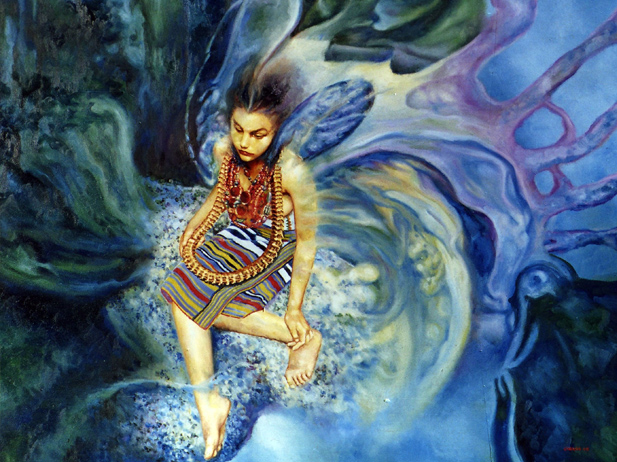
His artworks between the periods of 1998 and 2008 are ones of deep introspection. His compositions appear to be grasping at an obscure entity so transient that it is almost inseparable from the surroundings. The gradual elevation from charcoal to oil serves as an accompaniment to his progression as an artist, marking it as a period of transition from ambiguity to revelation. The figures of his composition, submerged in monochromatic deep blue, purple, and sometimes ochre against a dense, cryptic background, are reminiscent of the spirits that guide and nurture the flora and fauna: “My practice involves layering oil to form textured compositions of the mythologies and mountainous environment of the Cordillera region.”
In his vision mundane objects—the stones, the bark of trees, the leaves, even water, fog, and shadow—transform into distinct characters, yet there is no clear distinction between the subject and its environment. The elements coalesce to manifest the mystical specters as transient beings only for them to dissolve into the environment. Jef’s rendition breathes life into the mystical figures of Ub-ufok, the traditional oral folklore of the Ifialig people of Barlig, with characters like Taraw (Star Maiden), the celestial embodiment of the morning and evening stars; Linmipaw, a legendary hero of the Ifialig people; and Tilag (Rainbow Maiden), the story of a celestial woman who married a mortal. Wisps of ethereal thread formed and reformed the phantom figures across the horizon of his canvas, memories of his ancestors passed down from generation to generation.
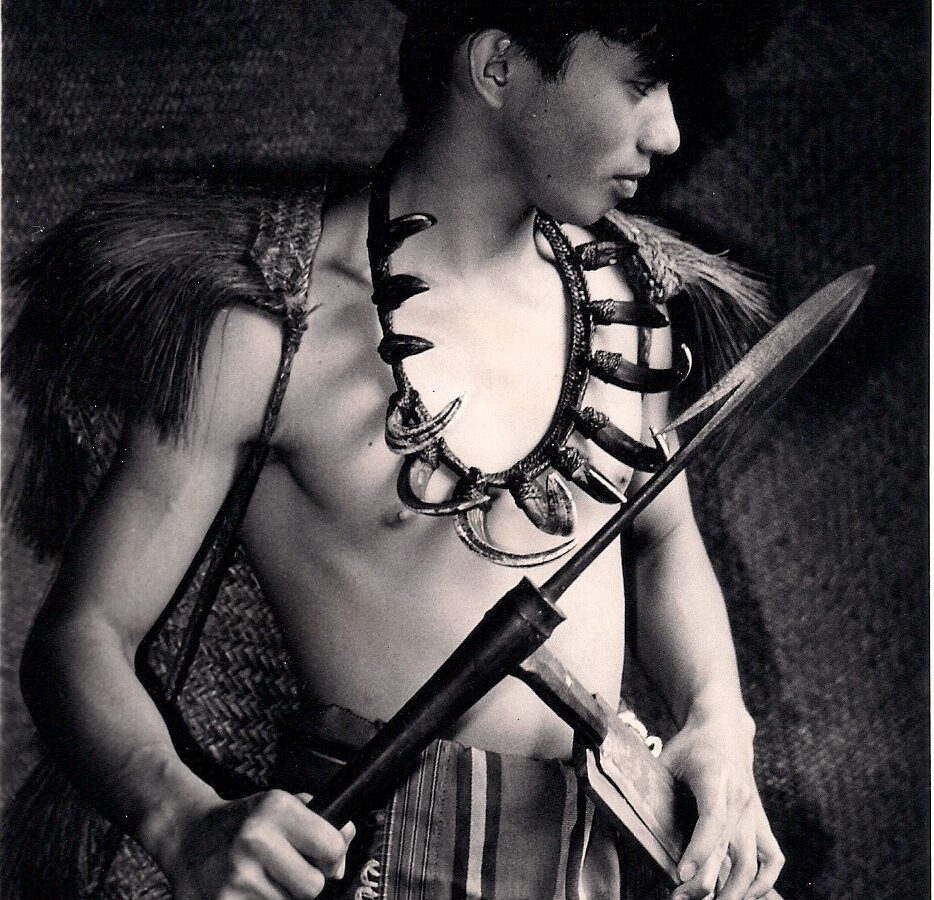
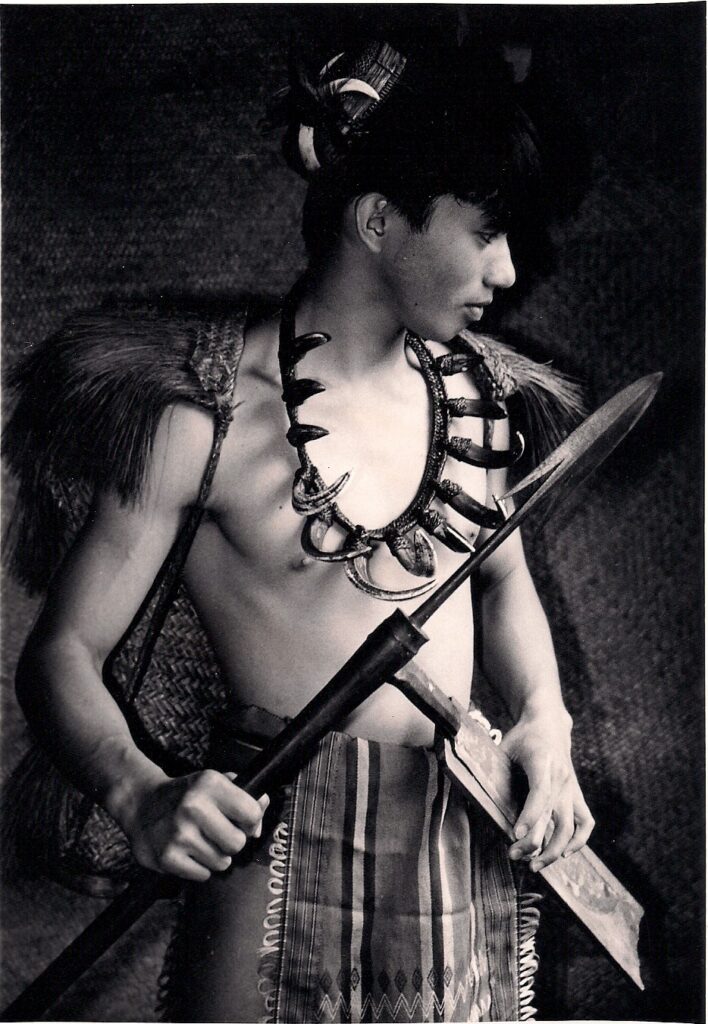
The initial obscurity eventually gave way to more tangible subjects for his compositions, where now the human abode becomes the recipient of his veneration. The sensual yet reverent postures of Kalinga women, their nimble arms and muscles transfixed in a motion of eternal grace, beckon weary wanderers to step into the world of dense foliage, where light and shadow create an illusion of passion and piety. These figures are not merely humans; they are the reflections of elusive forces of nature—the warm moonlight, raindrops, morning light, and the nights of fireflies. The masculine figures, although less portrayed in his creative projects, are full of vitality and emulate a grace that does not detract from their beauty. Compositions like “The Traveller,” an artwork of 24″ x 32″ (oil on canvas), are as enchanting as their feminine counterpart. The discrepancy between the male and female figures of his painting, however, arises from the degrees of softness applied to materialize them.
As I was preparing for my first solo exhibition, I began to work on and develop a new style and work process. The result was my “Figured Obscurity” series.
“Birthmarked,” his first solo exhibition, organized at Art Center, SM Megamall, Mandaluyong City, Philippines, in 2012, featured an assortment of experimental artworks, which included a metaphorical art project named THE FIGURED OBSCURITY SERIES that he had been working on since the year 2009: “All of my figured obscurity pieces were done in oil on canvas panels. I have eschewed using a brush since 2009 and have been using a palette knife ever since. These pieces were the ones displayed in my first solo exhibition, entitled “Birthmarked.” The unwavering quest to refine his craft led him to integrate a new tool in his artmaking—a palette knife, which proved to be quite a significant catalyst in his creative journey. This evolution signified a period of rediscovery: “In addition to achieving the texture and thickness I wanted, I also gained speed.” The heavily textured impasto conjured illusions of depth and light on the canvas. The color pigments reverberated with the grooving rhythm of the palette knife while being stippled, scratched, or layered across the canvas, as evident from his compositions of F.O. 6, 9, and 10. Successive layers of color in contrasting tones converged to create visions that were elusive yet intelligible.
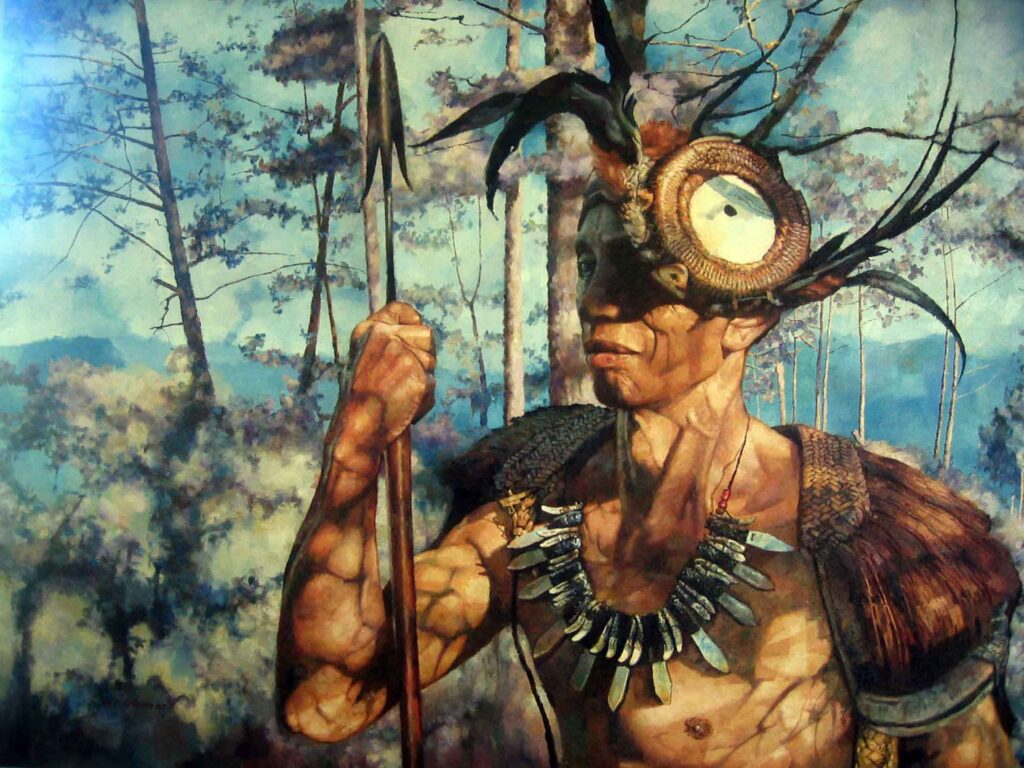
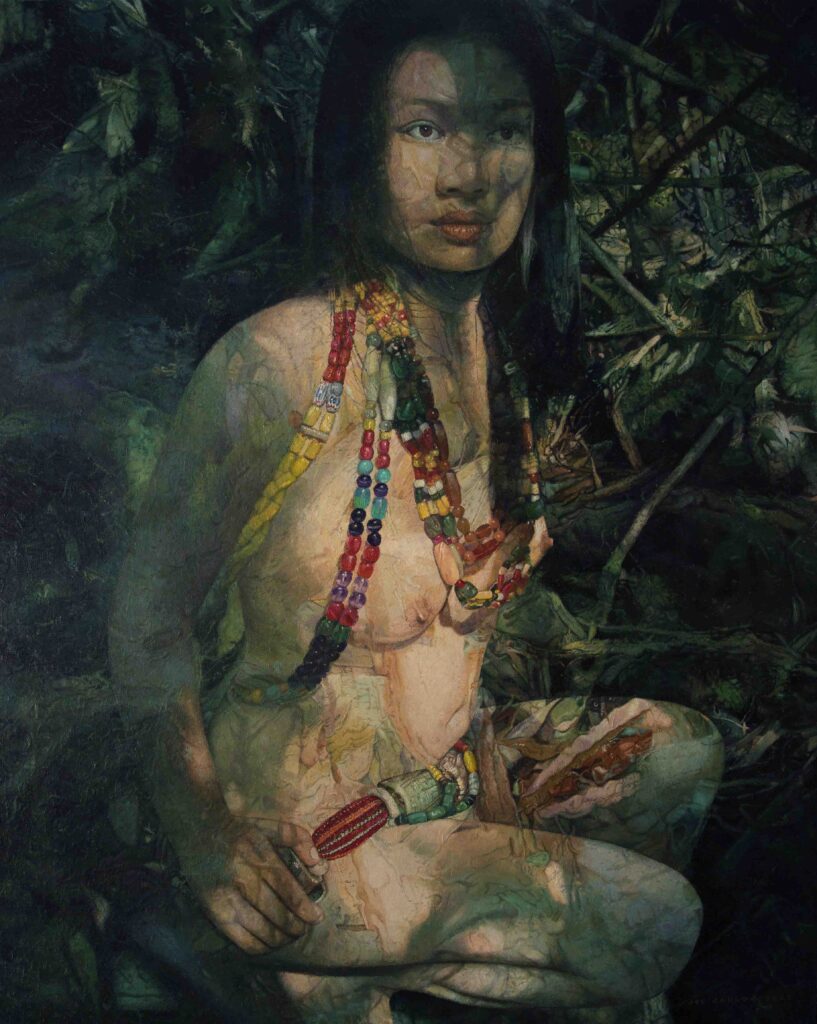
“My art will show how stories and dreams handed down from the elders have been translated to visual images on canvas. I envision my work as a time reference to record the transition from conventional to modern art using traditional mediums.” To be birthmarked is to inherit an indelible physical, cultural, and spiritual identity, according to Cordilleran belief. His artworks predominantly transpire to translate that idea of succession. They augment bold representations of traditional Kalinga women in their indigenous attire—a handwoven, wraparound skirt (ka-in) and beaded necklaces, often inherited as a symbol of heritage, against a bare chest. Tehnektek (Skin Deep) III, an oil painting on a canvas of 40″ x 32″, painted in 2010, creates the impression of innumerable chromatic fragments merging to construct the feminine figure of the subject. Her bare torso with elegant posture, a representation of ancient Igorot customs, lies open for introspection in all its radiant glory against a darker background. The juxtaposition of warm colors against cool tones adds volume and luminosity to the composition.
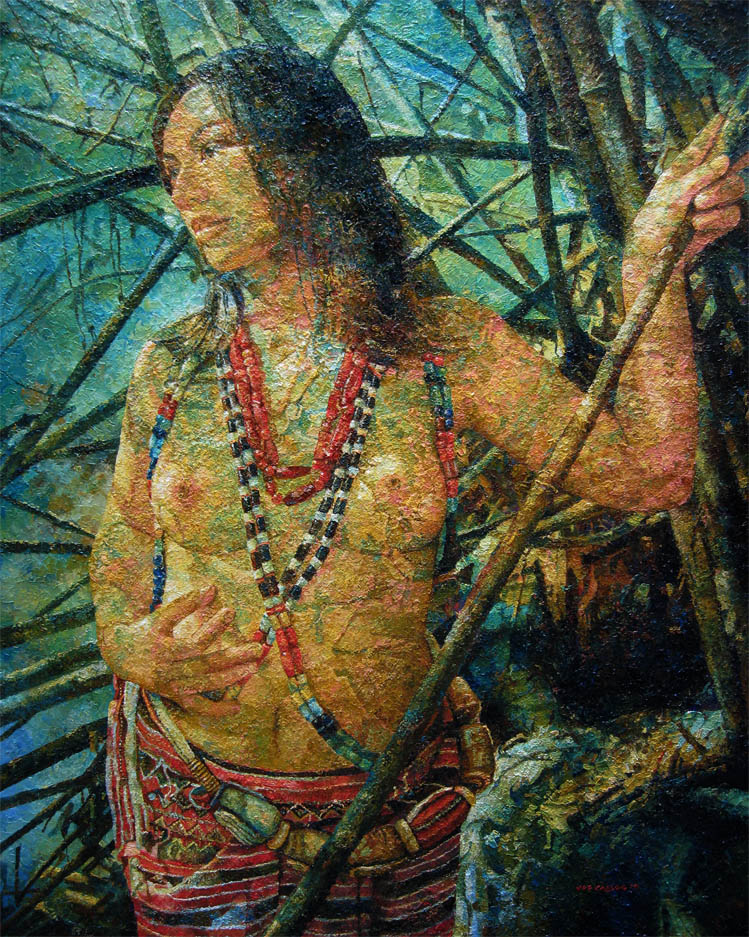
Inspiration is a crucial motivator in my artistic process. I cannot simply wait for it to come; sometimes, I have to seek new experiences to inspire myself. Inspiration can be found everywhere—you just have to keep looking for it.
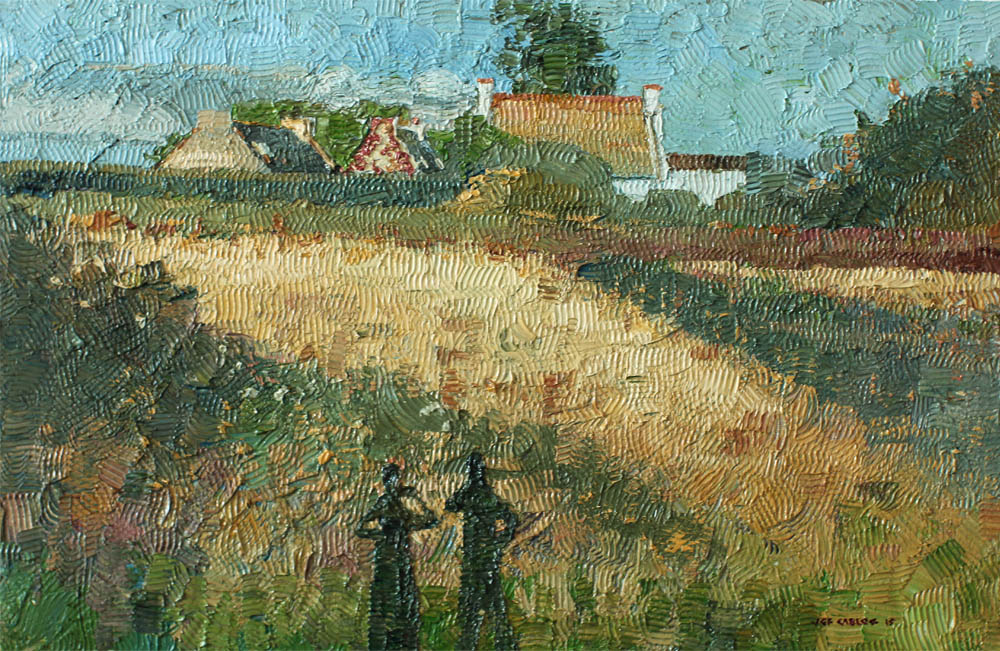
And inspiration did encounter him in an unexpected way. In 2015, Jef received an invitation to an artist residency on Île de Groix, Brittany, France, a spellbinding, scenic island off the coast of Lorient, a region of northwest France. The location was a continent away from the tropical pines and mossy forested montanes of the Cordillera, and this is where Jef and his wife, Wrachelle, spent more than two months during their residency. This experience impacted his perspective and style of artistic expressions immensely. His color palette became richer and more expansive. Most importantly, his techniques of expression changed drastically with the implementation of a set of specialized palette knives: “It was in France where I first discovered and acquired palette knives with grooves or teeth. I realized that I could achieve various textures depending on the pattern and spacing of the grooves on the knife.” The series of paintings named vent de l’eau (“water’s wind”), Éphémère, empreinte, etc., are some of his exquisite creations during this stay.
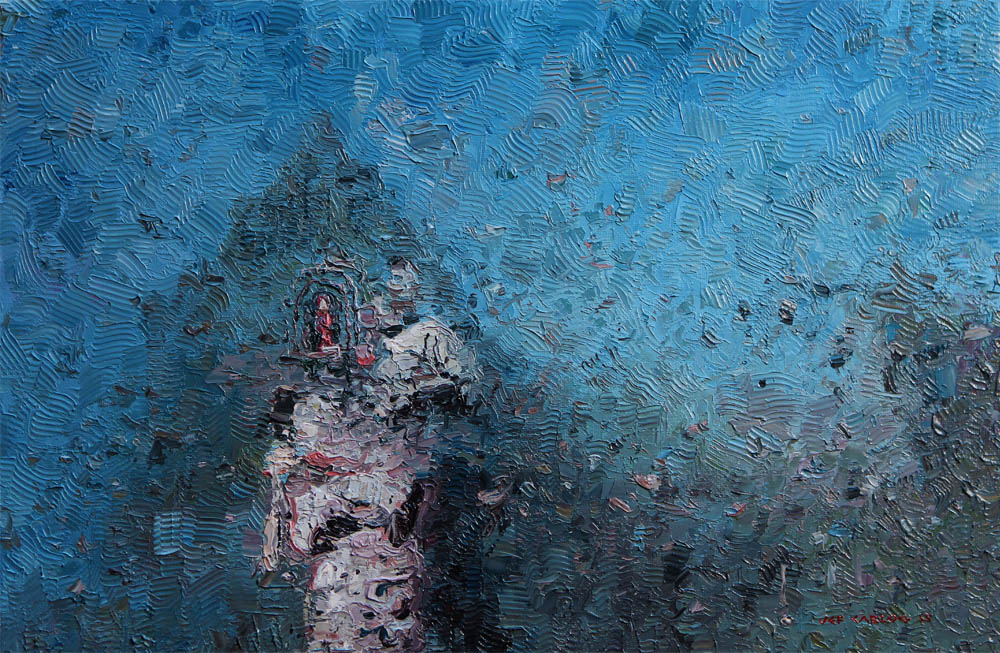
Vent de l’eau, a series of three paintings, essentially imagines moving air pantomiming the undulation effect of water as it moves across the landscape, swaying trees and vegetation with its motion. The patterns on the canvas appear smoother and more refined than before. Even the choice of colors in the composition feels softer, casting an enchantment so different from the ones we discovered in the wild forests of the Cordillera. These compositions either center around nature-smothered lavoirs, communal washhouses typically found in rural France, or fontaines, spring water washing places associated with magical attributes. “During my travels in Europe, I observed a harmonious coexistence between the old and the new, as well as between man-made structures and nature. This balance closely parallels what I strive to portray in my art.”
The equilibrium itself became a significant contributor in Jef’s artistic evolution. Diverse subject bodies found their way onto his canvas. These subjects were not merely mythical or human figures anymore. They were metaphysical, and they exhibited a greater concern for man and nature. These compositions displayed a unique amalgamation of European art and sculptures with the quintessence of the Cordilleran spirit. “Being immersed in European culture, having the opportunity to marvel at European art—from the paintings and sculptures of renowned masters to historic structures and architecture—and experiencing the colors of autumn for the first time provided me with immense inspiration and contributed greatly to my growth as an artist. When I returned from that journey, I felt transformed.” The broad-leaf deciduous forest and the glorious autumnal beauty of fall foliage, crowned in deep gold, red, copper, and yellow, glided onto his color palette as well. This gradual transition from darker to warmer tones in his composition is almost indicative of his developing receptiveness.
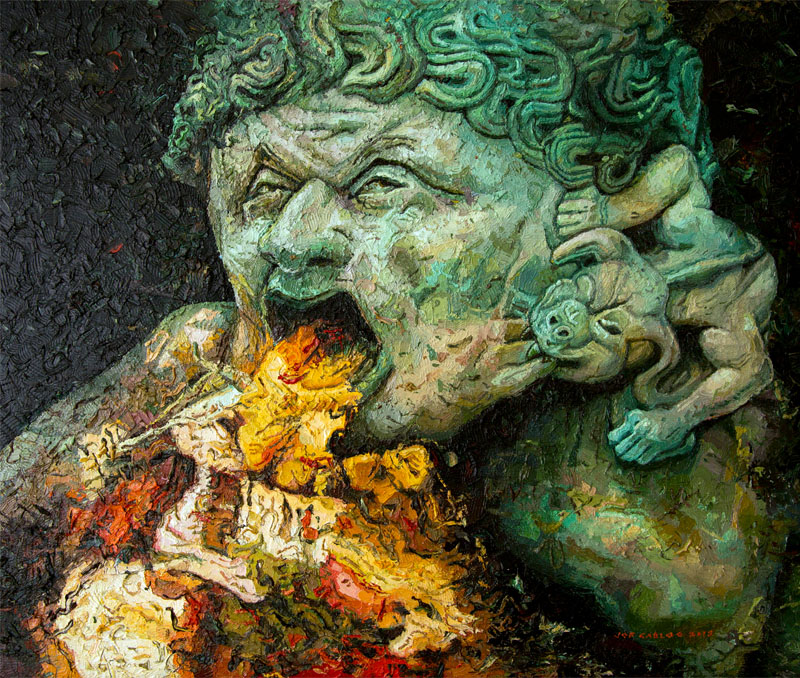
“Pristine,” a 60″ x 48″ oil painting on canvas, displayed in his fifth solo exhibition, “Confluence,” features a nature-engulfed, statuesque vision of Leda and a dark swan, a famous Greek mythological motif. It draws inspiration from a famous marble masterpiece by Mannerist sculptor Bartolomeo Ammannati’s “Leda and the Swan” sculpture in Florence. The textured surface of the statuesque artwork is tinged with moss green and the warm colors of autumnal leaves. The smiling figure appears to be blending in with the surrounding vegetation while holding the neck of a black swan. Its long serpentine neck twisted as if ready to strike. But “Pristine” is not the only one; the influence of European sculpture is evident in his other creative projects like “Mama,” “Ascend,” “Draped,” etc. “Virtus,” an oil painting on canvas of 20″ x 24″ (2019), presents a version of a gargoyle regurgitating impieties instead of water. These grotesque architectural features of European edifices are symbolic of purging evil and sin from consecrated structures. “European sculptures, particularly relief sculptures that I photographed during my travels, have become the primary subjects of my recent paintings. I consider this body of work to be an account of my experience of encountering these relics from our distant past, as well as my own contemporary interpretation of preserving the impressions they left on me.,
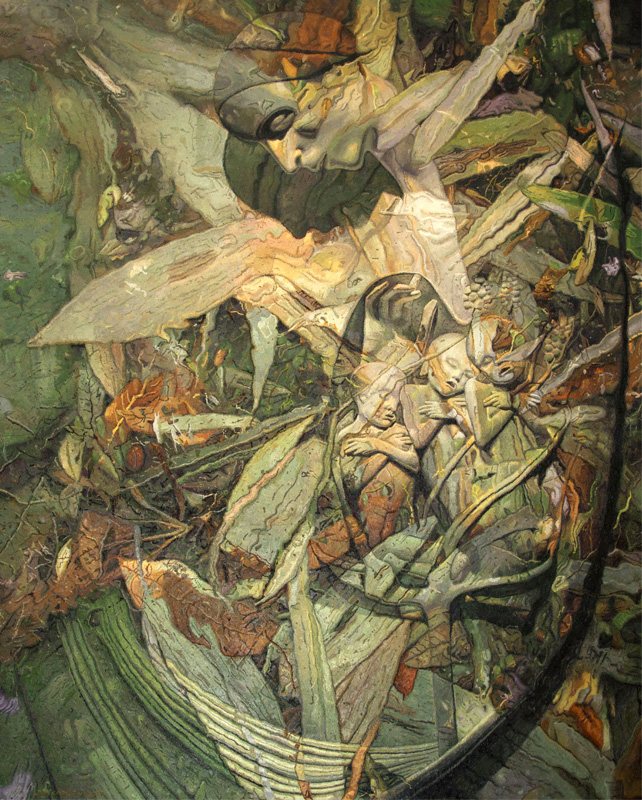
Throughout all of these artistic endeavors, the one thing that remained constant is his fidelity to his roots, his people, and his homeland, and it is not simply limited to the portrayal of a few traditional tribal characters in his artworks. His art is almost a devoted attempt to uphold the splendor of his culture and his people before the world at large. It embodies the ancient spirit and the community of the Ifugao people, once resplendent in their indigenous glory but growing increasingly obscure with the passage of time. Subjugation under its Western counterpart for nearly 350 years almost robbed this ethnicity of its heritage, customs, culture, and even language. But beneath that ruin, the flame of ancient Ifugao wisdom still smolders. The tribal figures in his composition are not merely characters; they embody the collective consciousness of ancestors taking physical form to remind the inhabitants of their heritage: “Stern,” a 60″/48″ oil painting on canvas (2018), renders an elderly woman. Her features are textured with an interconnected web of venation, moss-tinged with golden brown and ochre, like a fallen leaf. She has beaded necklaces on her neck, and her beaded/jeweled crown glistens in sunlight. Yet nothing compares to the knowing glint in her eyes.
“I am not only a passionate advocate of the heritage and culture of the indigenous people of the Cordilleras but also a stalwart environmentalist. As an avid hiker and cyclist, I am sensitive to the environmental impact of rapid development.” His composition often reveals an unnerving helplessness in the face of the irreparable loss of the ancestral lands due to illegal land conversion to facilitate infrastructure development. This sacred land, however, not only sustained the indigenous community, herbal medicine, rituals, and customs but also fostered various endemic plant and animal species. Many of those species are now on the verge of extinction. “Howl,”a series of oil paintings, portrays the desperate cries of those inhabitants. Their collective consciousness transforms into beasts, its form unrecognizable and indissoluble from its surroundings. Its open snout, distorted into a howl, bemoans the loss of its habitat.
. Jefconsiders the preservation of the environment and heritage to be of equal importance. He believes that it is a sacred duty of artists to immortalize relics, the fragments of the past that they interact with or their impressions of them during their lifetimes through their creativity: “Every artist has an obligation to successfully integrate and convey how he sees, experiences, understands, and interprets fragments of (or what remains from) the past with the world he currently lives in.” “Immemorial,” a 48“ x 36″ oil painting (2019),is one such example, where Jef has recreated his version of the Olmec, an ancient civilization located in the Gulf of Mexico. But this act of eternalization is not limited to historical monuments; it extends over to silly childhood experiences as well. His paintings of the series “Situm” are a recollection of that innocent past.
About The Author
